

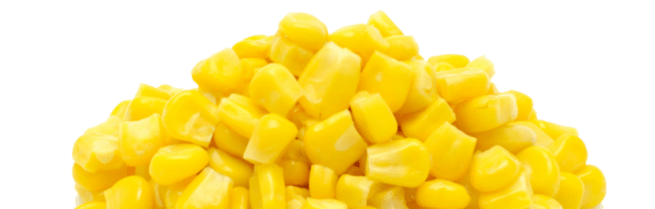
 Sweetcorn – super cob
I grew sweetcorn in the garden when the children were young. There is something inspiring about planting a tiny kernel and watching it grow so tall. Sweetcorn requires little care and you are rewarded with the main cobs and tiny offshoots of baby corn. Apart from the messy husks and the furious flossing after eating, I still love eating sweetcorn like a beaver, as I did back then. I smile when I pull open those husks to find the glass beads of yellow and remember.
INTERESTING FACT
When you cook corn antioxidant activity, which helps protect the body from cancer and heart disease, is actually increased. Don’t write off the tinned or frozen stuff either, evidence suggests this is just as good, so eat it out of season, its just as nutritious.
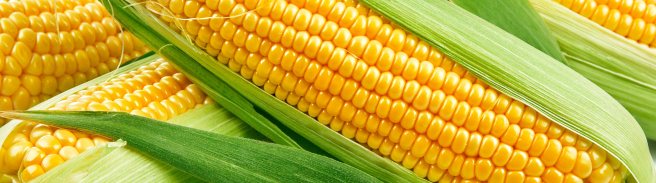 Because sweetcorn is so delicious on its own, I fear it is left naked on the plate, apart from a thin negligee of butter, most of the time. Give this sweet starchy vegetable another look, let the little gold nuggets shine in other ways. Oh and do not be afraid of the starch, an ear of corn has about the same number of calories as an apple and less than one-fourth the sugar, makes you think. Continue reading “The green folder”

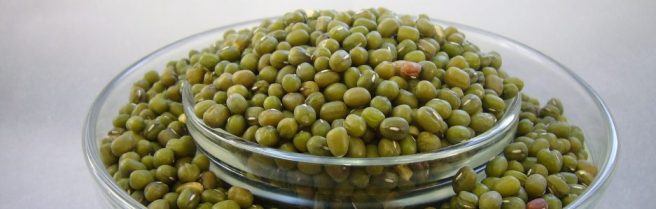
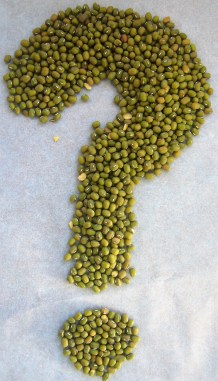 High in vitamins and minerals, especially iron, calcium, vitamin A, B1, B2 and C, these small green dried beans have a pale yellow inside. You might not have seen them in this form, but I bet you have seen and probably eaten them as bean sprouts. That’s how they are most commonly used. Buy them non heat treated and watch them grow!! Once sprouted, mung beans punch above their weight increasing the amount of Vitamin A by 300% and a staggering increase of up to 600% for their vitamin C value. Because their starches are converted to simple sugars during the sprouting process, they are easy to digest. When mung beans are hulled and split they are called mung dal. Get to know them, in all their forms.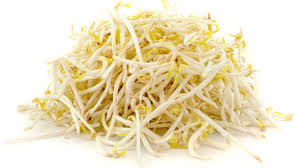









 Crowded Mind